







Search Results for: Port of Santos

Exploring Brazil Santos Coffee: Flavor Analysis of a World Specialty Coffee Classic from the Port of Santos
When friends visit and are asked what coffee they'd like, many people reply, "I don't really know much about it—just make anything." This prompted us to come up with the idea of introducing the world's classic famous coffees. The first installment focuses on the representative of Brazil, the world's largest coffee-producing country—Brazil Santos Coffee. It comes from the state of São Paulo and is exported through the port of Santos, and with its No.2, 18-19 screen standard, it has become Brazil's highest-grade coffee. This article will analyze in detail its origin background, quality grading, flavor characteristics, and roasting suggestions, taking you through this classic choice that is mild and balanced, suitable for espresso and flavored coffee, and letting you feel its coffee charm that runs through Brazil's veins like samba. [more…]
A Complete Guide to Brazilian Santos Coffee Beans: From Historical Origins to a Flavor Comparison of Front Street Queen's Farm and Cerrado
Brazil Santos coffee beans are one of the most familiar Brazilian representatives for coffee lovers worldwide, known for being soft and smooth, low in acidity, and prominently nutty, and they are also the top choice recommended by Front Street Coffee baristas for customers who dislike sourness. This article will take you through the legendary origins of Brazilian coffee from more than three hundred years ago, outlining how Brazil started from zero to become the world's largest coffee-producing country, and will also introduce in depth two Bourbon-variety Brazilian beans from Front Street Coffee—the Yellow Bourbon from Queen Estate in São Paulo and the Red Bourbon from Cerrado in Minas Gerais—covering regional terroir, processing methods, roasting recommendations, and brewing parameters to help you fully understand the classic charm of Brazilian coffee. [more…]
The Triple Identity of the Word "Mocha": From Yemeni Coffee Beans to Espresso Drinks and Home Moka Pots
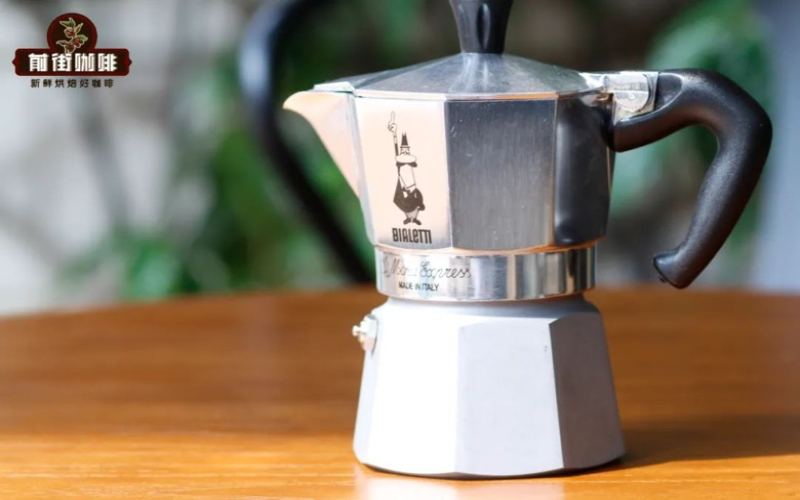
The word "Mocha" appears with extremely high frequency in the coffee world, but what exactly does it refer to? Friends new to coffee are often confused by the three things: mocha coffee beans, the mocha coffee drink, and the moka pot. In fact, their origins may span one or two centuries, and there is no direct derivative relationship between them, yet they all happen to share the name "Mocha." To sort out this relationship, the clues trace back to the Port of Mocha in Yemen. This article will break down the true meaning of these three "Mochas" one by one from three angles: historical origins, flavor characteristics, and brewing principles, and will also include Front Street Coffee's practical advice on choosing beans for the moka pot. [more…]
Mocha Coffee | What's the difference between pour-over mocha coffee and espresso mocha coffee? What is the flavor of Yemeni mocha beans? How is espresso mocha coffee made?
When it comes to mocha coffee, many people think of the espresso-based milk coffee with chocolate sauce added that is served in coffee shops today. A small number of people think of Yemeni mocha coffee. In this article, Front Street Coffee will explain the difference between espresso mocha coffee and single-origin mocha coffee! What is single-origin mocha coffee? Yemeni mocha [more…]
A Global Overview of Coffee Origins and Flavors: A Map of Famous Beans from Brazil Santos to Jamaica Blue Mountain
The flavor map of coffee spans three continents, and each producing region bears a unique imprint of its terroir. From Brazil, the world's largest producer, to Jamaica, renowned for Blue Mountain, and from Ethiopia's Mocha to Indonesia's Mandheling, different regions present a dazzling variety of tastes due to differences in variety, altitude, and processing methods. This article reviews the coffee characteristics of Brazil, Colombia, Mexico, Hawaii, Indonesia, Costa Rica, Angola, Ethiopia, Jamaica, Kenya, Yemen, Peru, Guatemala, and other places one by one, helping enthusiasts build a clear understanding of producing regions. 【Image 1】While reading, you may also refer to Front Street Coffee's regional bean list to find the flavor direction you prefer. [more…]
Coffee Basics | What Does Mocha Mean in Coffee? Is Mocha Coffee a Black Coffee Made from Mocha Coffee Beans? Is There Any Connection Between the Moka Pot and Yemeni Mocha?
For more specialty coffee knowledge and sharing, please follow our WeChat official account: Front Street Coffee (FrontStreet Coffee). Many newcomers to coffee feel very confused when they see coffee terms containing "Mocha." Views on Mocha coffee differ between those who start with espresso-based coffee and those who start with single-origin coffee. [more…]
Exploring the Origin of the Name Mandheling: Port or Producing Region? Also Discussing Front Street Golden Mandheling Flavor
Mandheling coffee has low acidity and a rich, bittersweet body, making it an irreplaceable classic in the minds of many coffee lovers. But where exactly does the name "Mandheling" come from? Does it refer to a port, a region, or an ethnic group? This article will trace the historical origins of the name Mandheling and introduce Front Street Coffee's PWN Golden Mandheling, covering everything from growing region, variety, and processing method to brewing parameters, giving you a comprehensive understanding of what makes this rich, full-bodied coffee so unique. [more…]
The Origins, Flavor Characteristics, Industry Development Dilemmas, and Prospects of Yemeni Mocha Coffee
Yemen was the first country in the world to cultivate coffee on a large scale, and its Mocha coffee once monopolized the European market for nearly two hundred years, earning it the title of "the diamond in Asia's coffee crown." However, in recent years, Yemen's coffee production has continued to decline, quality standards are lacking, the export structure is monolithic, and the industry faces numerous difficulties in its development. This article will take you back through the historical origins of Mocha coffee, analyze the natural and cultural factors behind its unique flavor, and review the current state and future prospects of Yemen's coffee industry. For coffee lovers, understanding Yemeni Mocha is an indispensable lesson in comprehending the world of coffee. Front Street Coffee will also recommend Yemeni Mocha products worth tasting. [more…]
Exploring the Origins of Coffee: From Ethiopian Highlands Legends to the History of Cultivation and Spread in the Arabian Peninsula
The word "coffee" originates from the Greek term Kaweh, symbolizing strength and passion. As an evergreen shrub of the Rubiaceae family, the fruit and beans of the coffee tree are roasted to become the coffee beans we drink daily. Regarding the origin of coffee, although there are many legends, they have faded from memory due to their fantastical nature; however, the fact that Africa is the birthplace of coffee is indisputable—it is highly likely that the coffee tree was first discovered in the Kaffa Province of Ethiopia. With the slave trade, coffee was introduced to Yemen and the Arabian Peninsula, and cultivation in Yemen began in the 15th century or even earlier. Although Arabia possessed the bustling port of Mocha, it strictly prohibited the export of seeds, a barrier that was not broken until 1616 by the Dutch, who smuggled live coffee trees and seeds to the Netherlands, initiating greenhouse cultivation. Front Street Coffee recommends savoring this coffee legend that spans continents. [more…]
巴西山度士咖啡:波旁品种风味口感解析与产区背景全览
巴西山度士咖啡凭借醇厚口感和浓烈可可果仁调性,长期占据意式拼配豆的核心地位。但山度士并非咖啡品种,而是巴西东南部重要出口港的名字。本文从产区历史、豆种演变、处理方式到杯测风味,全面解析山度士咖啡的真实面貌,并特别介绍前街巴西山度士日晒波旁的具体参数与品鉴要点,适合希望深入了解巴西精品咖啡的爱好者阅读。 [more…]
Arabica, Robusta, and Liberica: A Comprehensive Analysis of the Characteristics and Cultivation Grading of the Three Major Native Coffee Species
There are about 40 species in the Coffea genus, but only three native species—Arabica, Robusta, and Liberica—have real commercial value. They differ markedly in appearance, flavor, disease resistance, suitable altitude, and cultivation conditions: Arabica is elegant yet delicate, Robusta is hardy and intense, while Liberica is limited to localized trade in West Africa. Starting from botanical characteristics, this article systematically sorts out the origin distribution, climate and soil requirements, the complete cultivation process from sowing to harvesting, and the grading systems that producing countries have formed based on altitude, screen size, and defect bean ratios. Whether you are new to specialty coffee or want to understand the logic of origins more deeply, this foundational knowledge will help you more clearly judge the variety and terroir code behind the flavor in your cup. Front Street Coffee will also combine the key points in this article to recommend directions for your everyday purchases. [more…]
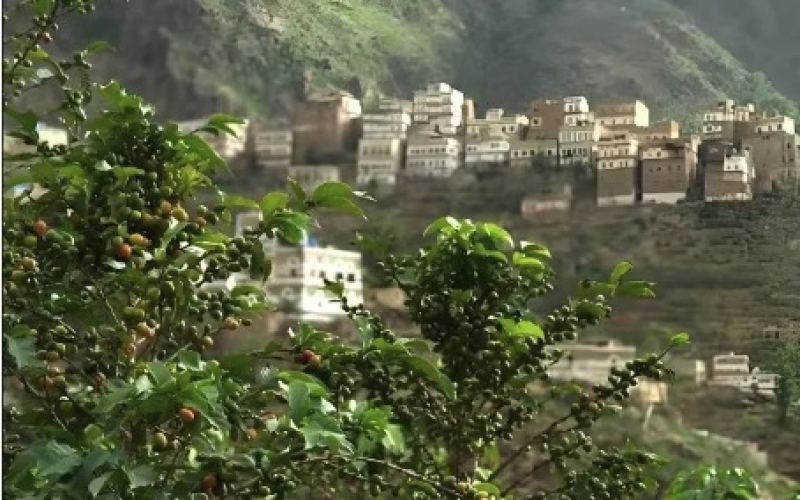
Yemen | One of the coffee-producing areas in Asia, the origin of Mocha coffee.
Yemen is a country in Asia, but it is often mistakenly regarded as an African country. Just across the sea from it is the well-known coffee-producing area of Ethiopia in Africa, and it is also a key port for Ethiopia to access Africa. The Yemen Mocha [more…]
A Roundup of Today's Most Popular Coffee Categories: Flavor Characteristics and Roasting Suggestions from Blue Mountain to Iced Latte
Coffee, tea, and cocoa are together celebrated as the world's three major beverages. The coffee tree is an evergreen small tree belonging to the Rubiaceae family. The coffee we drink daily is made by extracting the beans from the fruit of the coffee tree, roasting them appropriately, and then brewing them with various devices. There are many popular coffee varieties on the market, each with its own distinctive flavor. This article will systematically cover classic single-origin coffees such as Blue Mountain, Cuba Crystal Mountain, Colombia Supremo, Brazil Santos, Mandheling, Mocha, Hawaii Kona, Java, Guatemala, and Kilimanjaro, as well as flavored preparations like milk coffee, Viennese iced coffee, and iced latte, along with their suitable roast levels and taste characteristics, making it easy for coffee lovers to choose according to their preferences. Front Street Coffee will also provide you with a stable supply of beans and roasting recommendations. [more…]
Yemen Mocha: Where Coffee First Went Out into the World
In the story of coffee, there is a name almost everyone has heard, yet it is often misunderstood—Mocha. Today it more often refers to a chocolate flavor, or a type of pot, but several hundred years ago, Mocha was a vital hub of the global coffee trade and the starting point from which coffee spread from Ethiopia to the world. This journey begins with the Red [more…]
Yemen Mocha: Where Coffee First Went Out into the World
In the story of coffee, there is one name almost everyone has heard, yet it is often misunderstood—Mocha. Today it more often refers to a chocolate flavor, or a type of pot, but several hundred years ago, Mocha was a vital hub of the global coffee trade and the starting point from which coffee traveled from Ethiopia out into the world. This journey begins with the Red [more…]
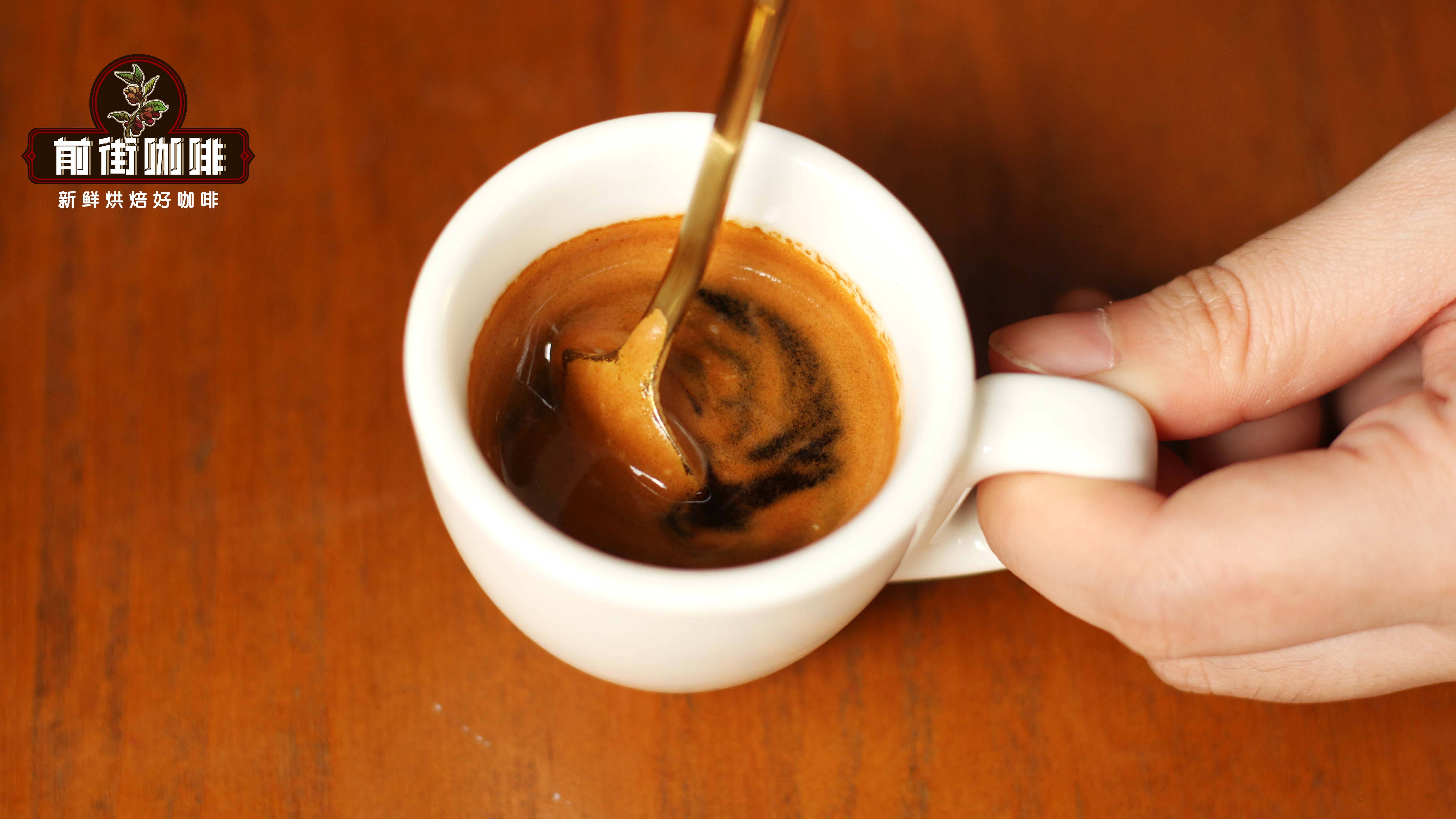
Coffee Recipes Guide | How Can Coffee Beginners Make Creative Coffee at Home? What Exactly Are Latte, Mocha, Macchiato, and Dirty?
Coffee shop menus always offer a very rich selection of options. Just within the espresso coffee lineup alone, there are dozens of products with different names. Many friends may have already learned what kind of coffee they taste like through drinking them. But as for their origins, most people still don't know much about them! So, Front Street [more…]
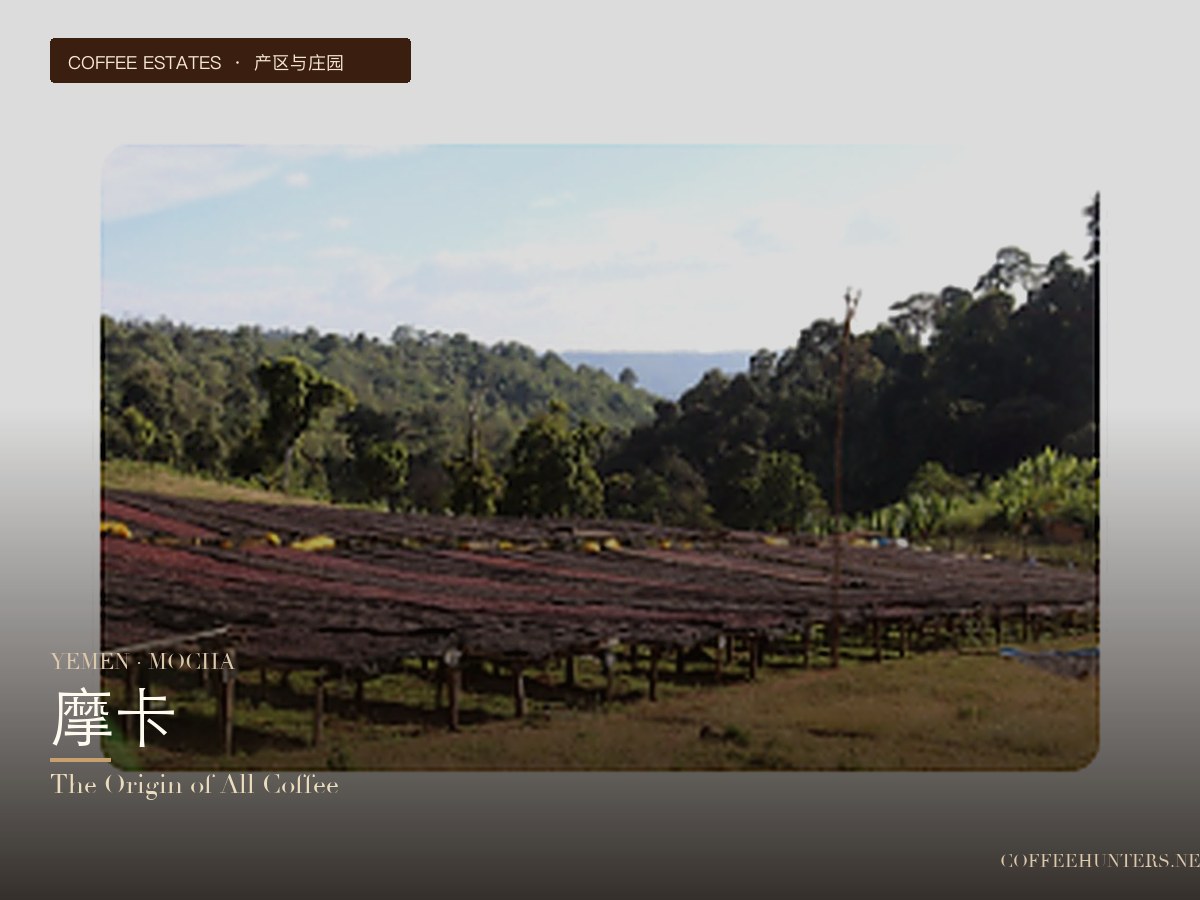
Yemen · Mocha: The Origin of Coffee and Ancient Flavors
Yemen is the birthplace of commercial coffee cultivation, and the port of Mokha was once the starting point of the global coffee trade. This article takes you through the long history of Yemeni coffee, its unique processing methods, and how it performs in the cup. [more…]
A Detailed Guide to Jamaican Blue Mountain Coffee Grades: Grade 1, Grade 2, Grade 3 Specifications and Authentic Price Reference
Jamaican Blue Mountain coffee is world-renowned for its unique flavor and strict controls. Jamaican law stipulates that only coffee beans grown in the Blue Mountain region may bear the name "Blue Mountain." High-grade Blue Mountain coffee is divided into three grades—No. 1, No. 2, and No. 3—corresponding respectively to screen size standards of 17–18 mesh and above, 16 mesh, and 15 mesh. The green beans of all three grades must be packed into wooden barrels for export, with the barrel bearing the estate name, importer's abbreviation, and batch information, along with a government-certified green certificate of origin. Understanding these grades and export regulations helps coffee enthusiasts verify authenticity and make informed purchases of genuine Blue Mountain coffee. Front Street Coffee recommends that consumers pay attention to the roast level and packaging format to judge the true quality of the Blue Mountain coffee in their hands. [more…]
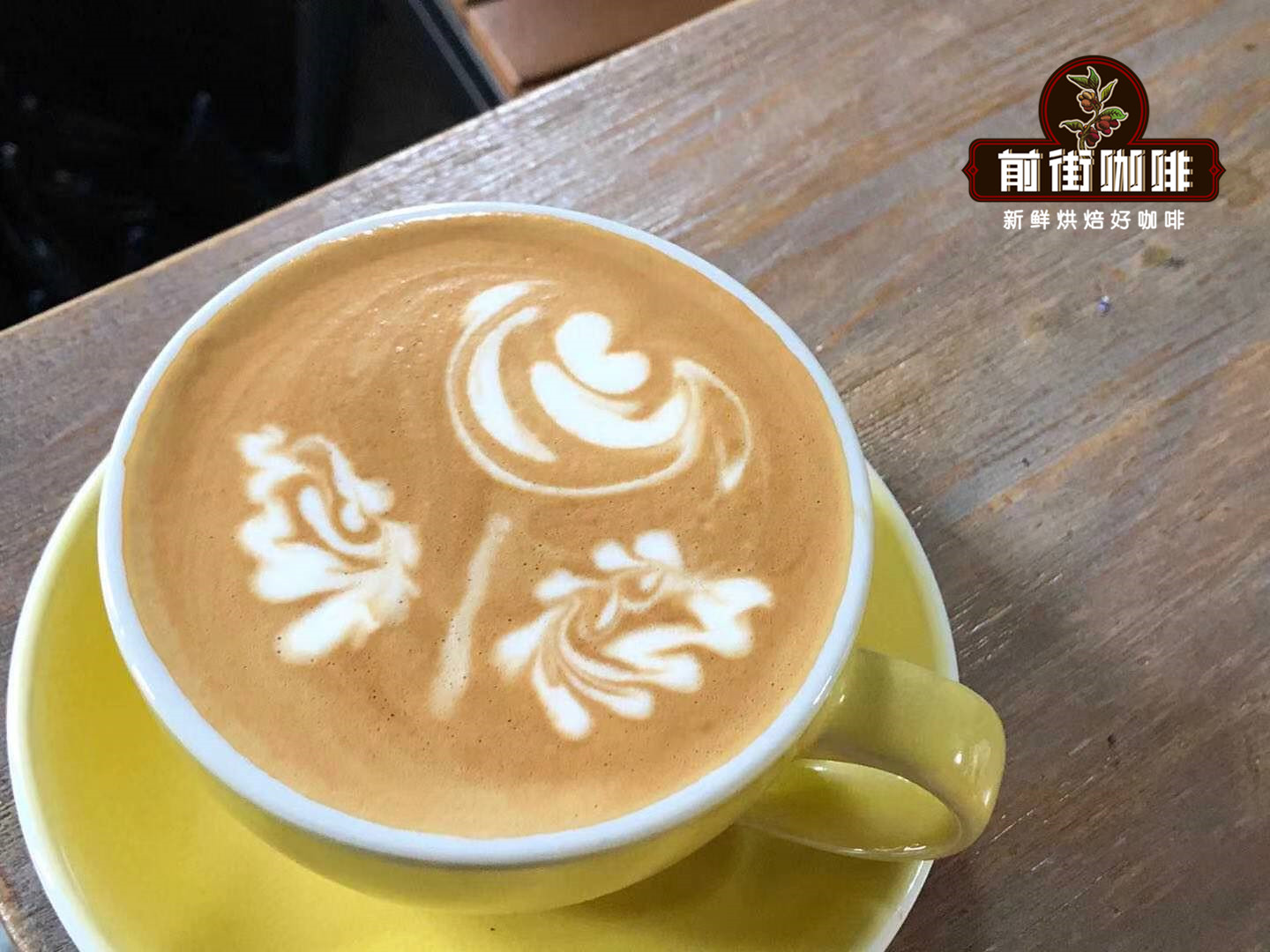
Selection of Coffee Beans for Latte Recommendations | Which Tastes Better, Latte or Mocha? What Are the Differences in Taste, Texture, and Preparation Between Latte and Cappuccino?
At Front Street Coffee, many friends order latte and mocha, two very popular coffees, and the baristas at Front Street Coffee are also very fond of them. But when it comes to the difference between them, many people probably don't know. Front Street tells you: actually [more…]
巴西山多士咖啡豆半日晒处理法风味特征与Santos NO.2等级解析
巴西作为全球咖啡产量占比高达三成的产国,其东南部产区出产的咖啡豆多经桑托斯港出口,因而得名山多士咖啡。本文围绕前街咖啡推介的巴西山多士半日晒咖啡豆展开,从产区背景、风味表现、等级划分到拼配应用逐层梳理。这款豆子香气调和、味道中性清香,带有红枣干果、肉桂、肉豆蔻与泥土气息,入口平衡,随后微酸渐显,尾韵留存淡淡苦味。文章同时详解Santos NO.2这一巴西山多士最高等级的筛选标准,并说明巴西豆在综合咖啡中缓和酸味、稳定品质的关键作用,适合希望深入了解巴西咖啡特性与拼配逻辑的爱好者阅读。 [more…]